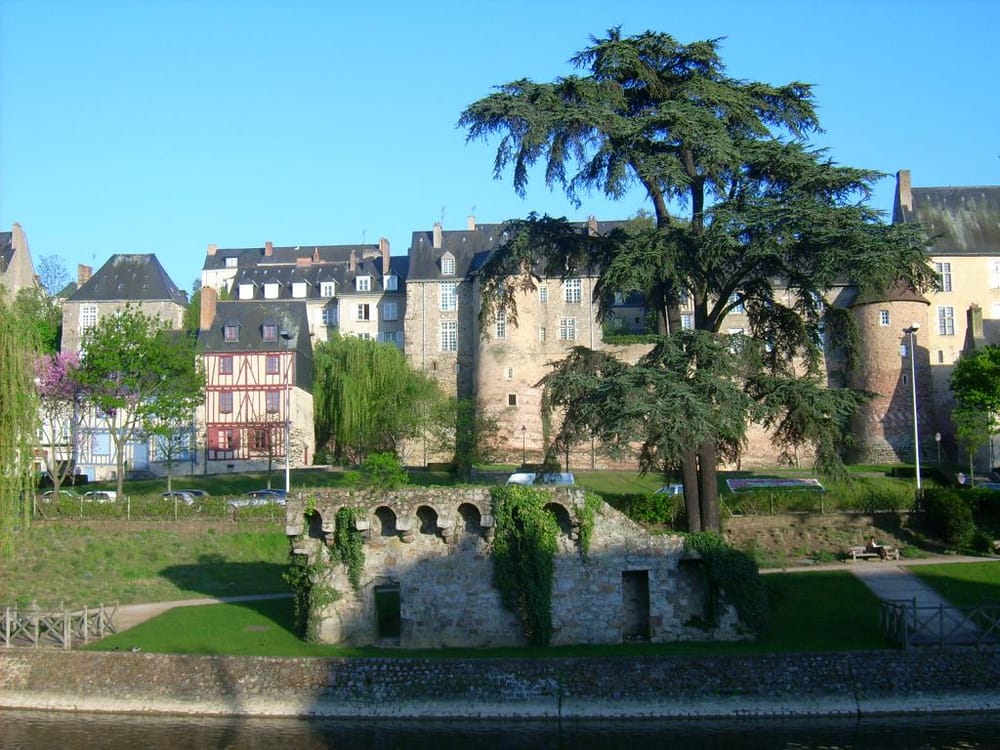
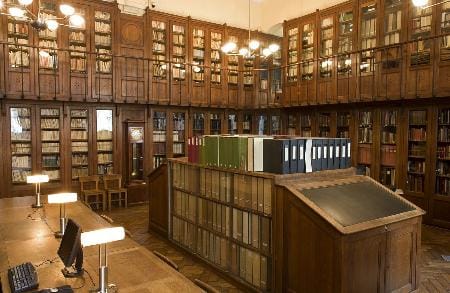
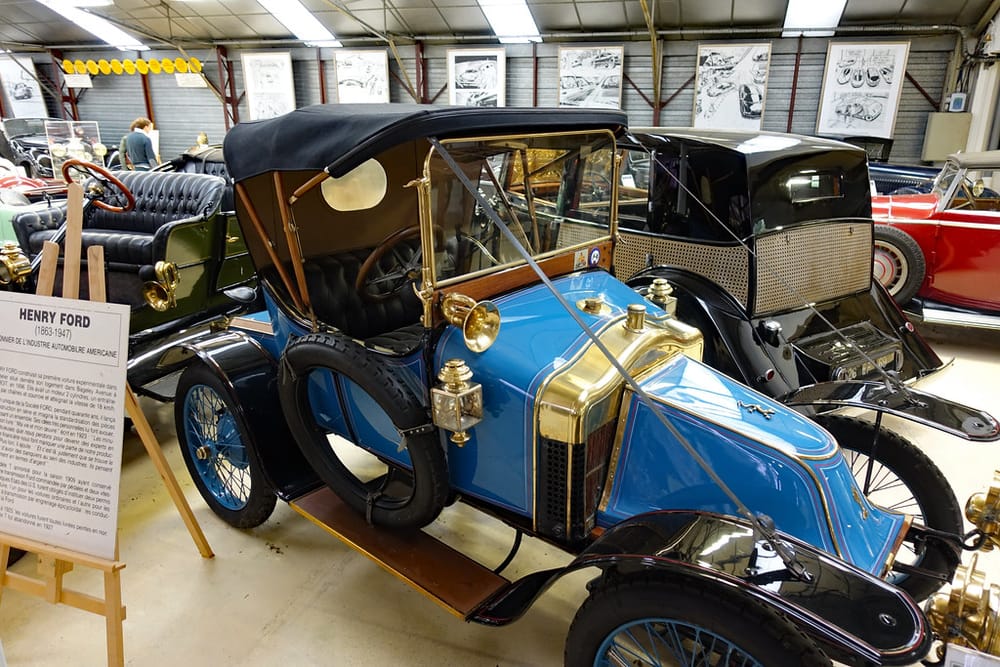
idéesculture brings together a wide range of skills around deep expertise to support cultural institutions in managing and showcasing their collections — museums, archives, libraries, archaeology, academic research.


A multidisciplinary team, projects of every scale.
We work with a wide variety of clients: the French State for the furniture management of ministries, major national museums, private foundations, archaeology operators, private archive centres, as well as projects connected with music, living heritage, urban arts, academic research and religious heritage.
Beyond software solutions, we design mobile applications and websites to enrich cultural visits, and we build catalogues raisonnés for artists.
Collection management
4 areas of expertise
Sized to fit you
We are a team that brings together a wide range of skills, built around deep expertise in databases for large object collections — museums, archives, libraries — powered by open source solutions.
Responsive and adaptable, we know how to assemble teams of 1 to 20 people depending on project size.
Open source
We work to bring ambitious open source tools to as many cultural institutions and academic research projects as possible.
We always put forward an open source solution when we can, and have published or contributed to dozens of free software projects.
Our take on free software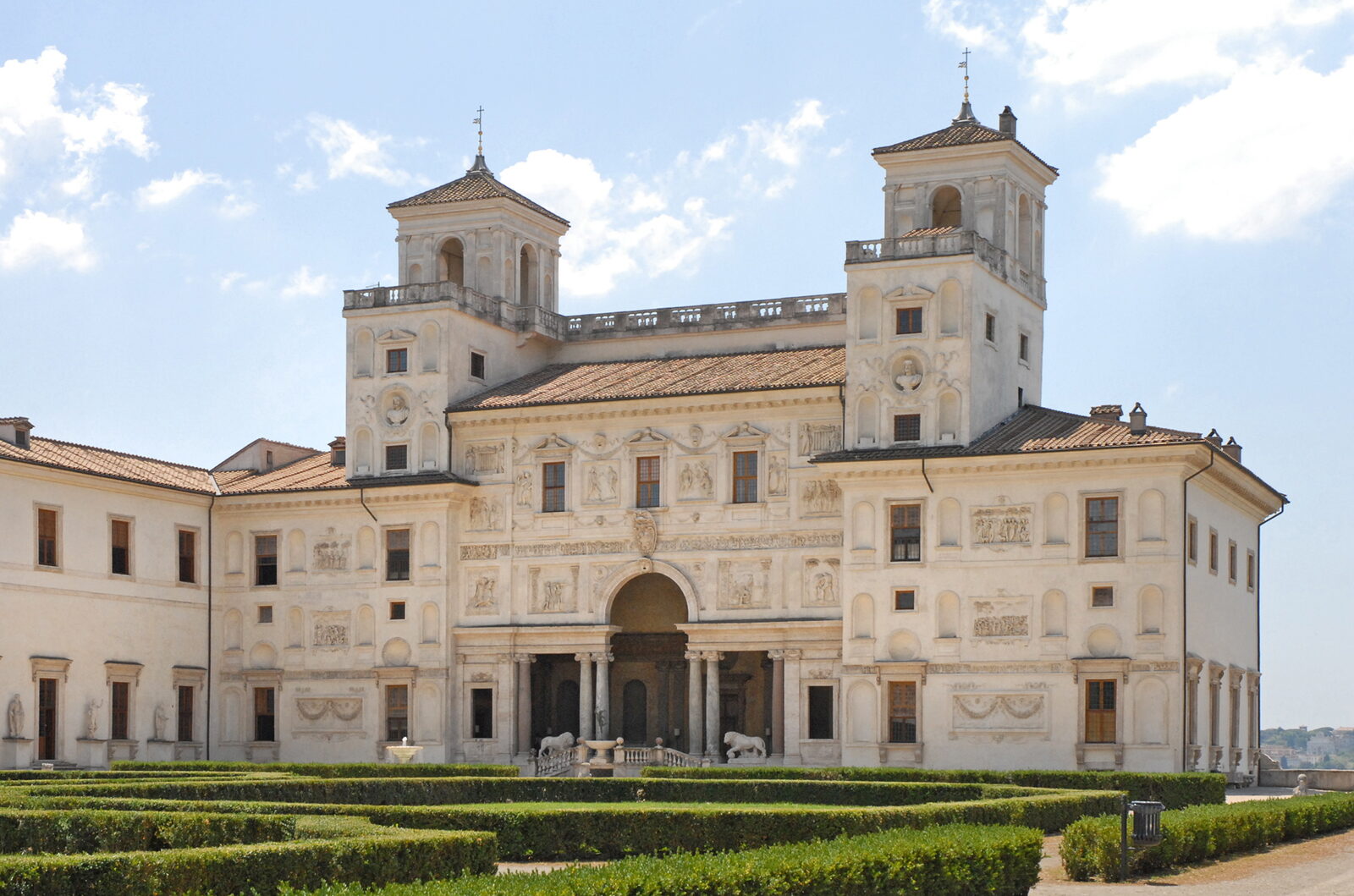
Collection management
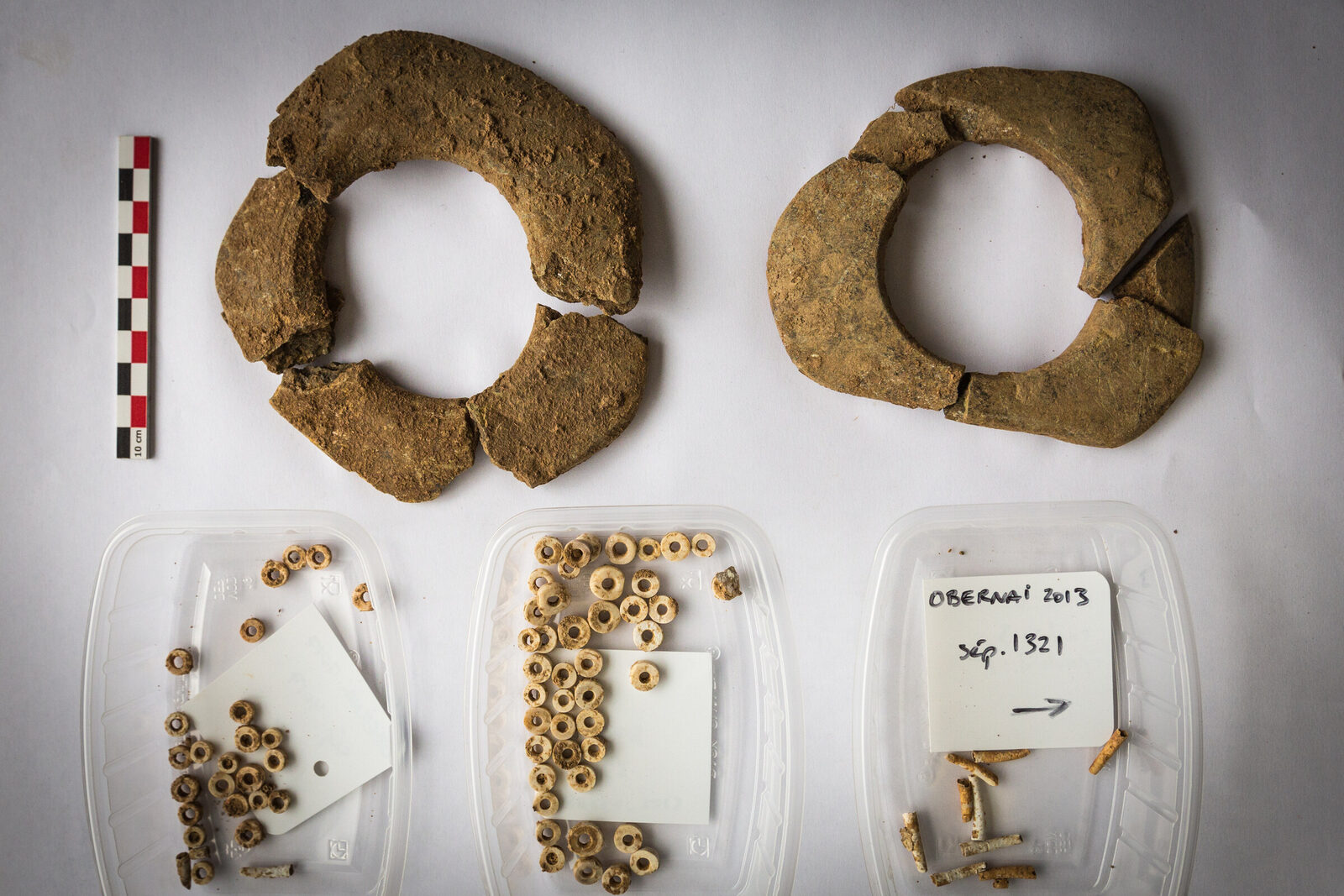
With CollectiveAccess, which makes it possible to manage large physical collections through a web interface (Whirl-i-Gig deployed it at the 9/11 Memorial in New York), idéesculture has re-catalogued the collections of the Villa Médicis in Rome, created the virtual museum of INRAP, renewed the Salons database of the Musée d'Orsay, and supported a steadily growing number of French museums.
The CollectiveAccess offering is rolling out in ever more languages and countries.
Discover CollectiveAccess
Research
We also work on the management of purely digital collections: lutherie and audio analysis with data visualisation.
We were active in the ANR P-RECIHC project « Reading in Europe: Contemporary Issues in Historical and Comparative Perspectives », helping to develop a format derived from the TEI standard to apply archival standards to research on reading practices.
See our 107 referencesOur values
ManifestoCare
Our first practice is support — through advice, training, user assistance or simply listening. It happens well upstream of any software development.
If we cannot reproduce in the interface a problem you have encountered, we do not assume the problem does not exist. It may sound like a small thing, but it changes everything in a relationship with a development team.
Open source, not dogma
We are convinced that the software world would be better off with ever more open source solutions. We will always put forward a free software solution when we can.
Our developments often coexist with proprietary software: we respect the tools already in place, and we believe that richness emerges from interconnection.
Human contact
We work in a sector full of enthusiasts — passionate about culture, creativity, open source or free technologies.
Talking with people who care is one of the small daily pleasures of the job. It is also what sustains the quality of our projects over the long run.
Mindmapping
We use a range of note-taking forms: AI transcription for a meeting; mindmapping; ...
Planning
We work with you on a back-planning that always remains adaptable.
Open source
Code shared online on GitHub.
Agile / XP
Continuous development, maximum responsiveness.
Modern tools
Slack, Zoom, Notion, Copilot, Zendesk.